
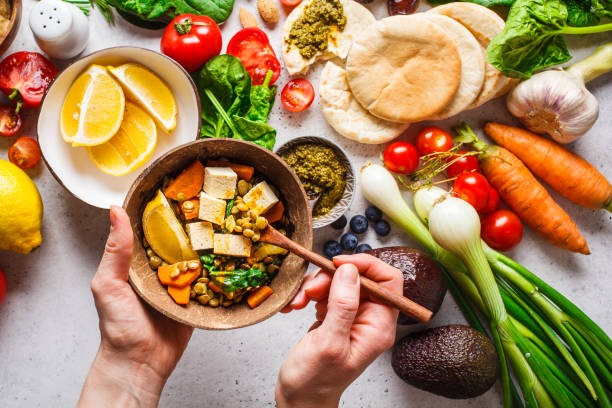
Dietary fiber plays a crucial role in maintaining healthy digestion, and incorporating fiber-rich foods into daily meals can significantly improve gastrointestinal function. Fiber, found primarily in plant-based foods, adds bulk to stool and promotes regular bowel movements, preventing constipation and reducing the risk of digestive disorders. Soluble fiber dissolves in water to form a gel-like substance that slows digestion, helping regulate blood sugar levels and lower cholesterol. Insoluble fiber, on the other hand, adds bulk to stool and accelerates the passage of food through the digestive tract.
Whole grains are an excellent source of insoluble fiber. Foods such as brown rice, quinoa, barley, and whole wheat products contribute to digestive health by enhancing stool bulk and promoting regularity. Unlike refined grains, whole grains retain their bran and germ components, which contain the majority of dietary fiber. Including these grains in meals not only supports digestion but also provides essential nutrients like B vitamins and minerals.
Legumes are another category rich in fiber that fosters a healthy digestive system. Beans, lentils, chickpeas, and peas offer both soluble and insoluble fibers, which help maintain gut motility and feed beneficial gut bacteria. The fermentation of soluble fiber by intestinal microbes produces short-chain fatty acids that nourish colon cells and reduce inflammation. Regular consumption of legumes can improve stool consistency and reduce symptoms of irritable bowel syndrome.
Fruits contribute both soluble and insoluble fibers along with vital vitamins and antioxidants. Apples, pears, berries, and citrus fruits contain pectin, a type of soluble fiber that aids digestion by slowing gastric emptying and enhancing nutrient absorption. The skin of many fruits also provides insoluble fiber that supports bowel regularity. Incorporating a variety of fruits into the diet ensures a balance of fibers necessary for optimal digestive function.
Vegetables are fundamental to a fiber-rich diet as well. Cruciferous vegetables like broccoli, Brussels sprouts, and cauliflower supply insoluble fiber that increases stool bulk. Root vegetables such as carrots and sweet potatoes offer both types of fiber while delivering important micronutrients. Leafy greens contain moderate amounts of fiber and support digestion through their high water content and nutrient density.
Nuts and seeds complement this dietary pattern by providing additional fiber along with healthy fats. Chia seeds, flaxseeds, almonds, and walnuts contain soluble fibers that help regulate bowel movements while contributing to gut health through anti-inflammatory properties.
Understanding the connection between diet and digestion is essential for overall well-being. This Learn Muscles article emphasizes the importance of integrating diverse fiber-rich foods into everyday meals to maintain digestive health effectively. By focusing on whole grains, legumes, fruits, vegetables, nuts, and seeds, individuals can support their gastrointestinal system naturally without reliance on supplements or medications.