
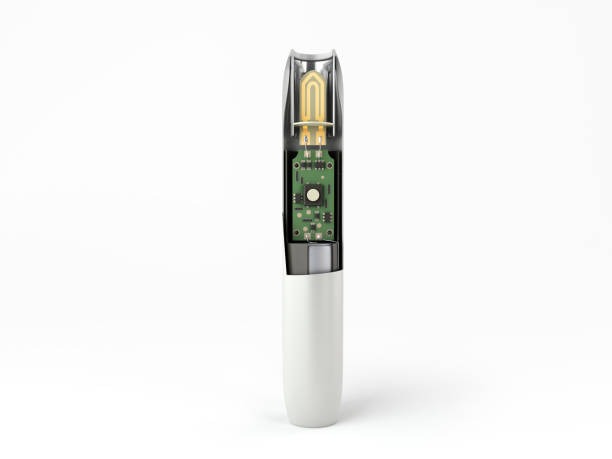
Carbon monoxide (CO) is a colorless, odorless gas that can be deadly when inhaled in significant amounts. It is often referred to as the “silent killer” because it is virtually undetectable without the use of specialized equipment. In vehicles, carbon monoxide can accumulate due to exhaust leaks or poor ventilation, posing a serious risk to drivers and passengers alike. This makes the installation of a carbon monoxide detector in cars not just beneficial but essential for safety.
One of the primary reasons why carbon monoxide detectors are crucial for cars is their ability to provide early warnings. CO poisoning symptoms can be easily mistaken for common ailments like headaches, dizziness, or fatigue, which may lead individuals to overlook them until it’s too late. A properly functioning carbon monoxide detector will alert occupants before CO levels reach dangerous thresholds, allowing them time to ventilate the vehicle or exit it entirely.
The complexity of modern car designs has inadvertently increased potential risks related to CO exposure. With enhanced aerodynamics and tightly sealed cabins aimed at improving fuel efficiency and reducing noise pollution, there’s less natural airflow within vehicles. While this design evolution brings numerous benefits, it also means that any CO present might linger longer détecteur de monoxyde de carbone pour voiture inside the cabin if an exhaust leak occurs.
Furthermore, with more people spending extended periods in their cars—whether commuting long distances or using vehicles as mobile workspaces—the risk of prolonged exposure increases significantly. People who frequently use remote starters during cold weather months are particularly vulnerable since they may unknowingly allow CO to build up while warming up their car in enclosed spaces such as garages.
Another critical aspect highlighting the importance of having a carbon monoxide detector in your car relates to maintenance practices—or lack thereof—by vehicle owners. Regular inspections and timely repairs are vital; however, many drivers neglect these responsibilities either due to oversight or cost constraints. A reliable CO detector acts as an additional safeguard against unforeseen mechanical failures that could result in harmful emissions entering the passenger area.
In conclusion, investing in a carbon monoxide detector for your car should be considered an integral part of vehicle safety measures alongside airbags and seatbelts. These devices offer peace of mind by continuously monitoring air quality within your vehicle’s interior space and providing immediate alerts if dangerous conditions arise. As awareness grows about potential sources and dangers associated with carbon monoxide exposure inside automobiles—particularly among those who spend considerable time on roads—it becomes increasingly clear that taking preventive steps through technology adoption is both wise and necessary for ensuring personal safety on every journey undertaken behind the wheel.