
Cleaning your mini split system properly is essential to maintain its efficiency and prolong its lifespan. Regular maintenance helps ensure optimal performance, reduces energy consumption, and prevents potential breakdowns. To begin, always turn off the power supply to the unit before starting any cleaning process. This precaution keeps you safe from electrical hazards while working on the system.
Start by removing the front panel of the indoor unit carefully, as this will give you access to key components such as filters and coils. Most mini splits have washable air filters that trap dust and debris; these should be cleaned every few weeks or more frequently if you live in a dusty environment. Gently take out the filters without damaging them and rinse them under lukewarm water until all dirt is removed. Avoid using harsh detergents or scrubbing too hard because this can damage the filter material. Allow the filters to dry completely before reinstalling them back into place.
Next, inspect the evaporator coils inside the indoor unit for dust buildup or mold growth. If they appear dirty, use a soft brush or cloth to remove loose particles gently. For a deeper clean, apply a coil cleaner specifically designed for Mini Split systems following manufacturer instructions closely. Be careful not to saturate electrical components with liquid during this step.
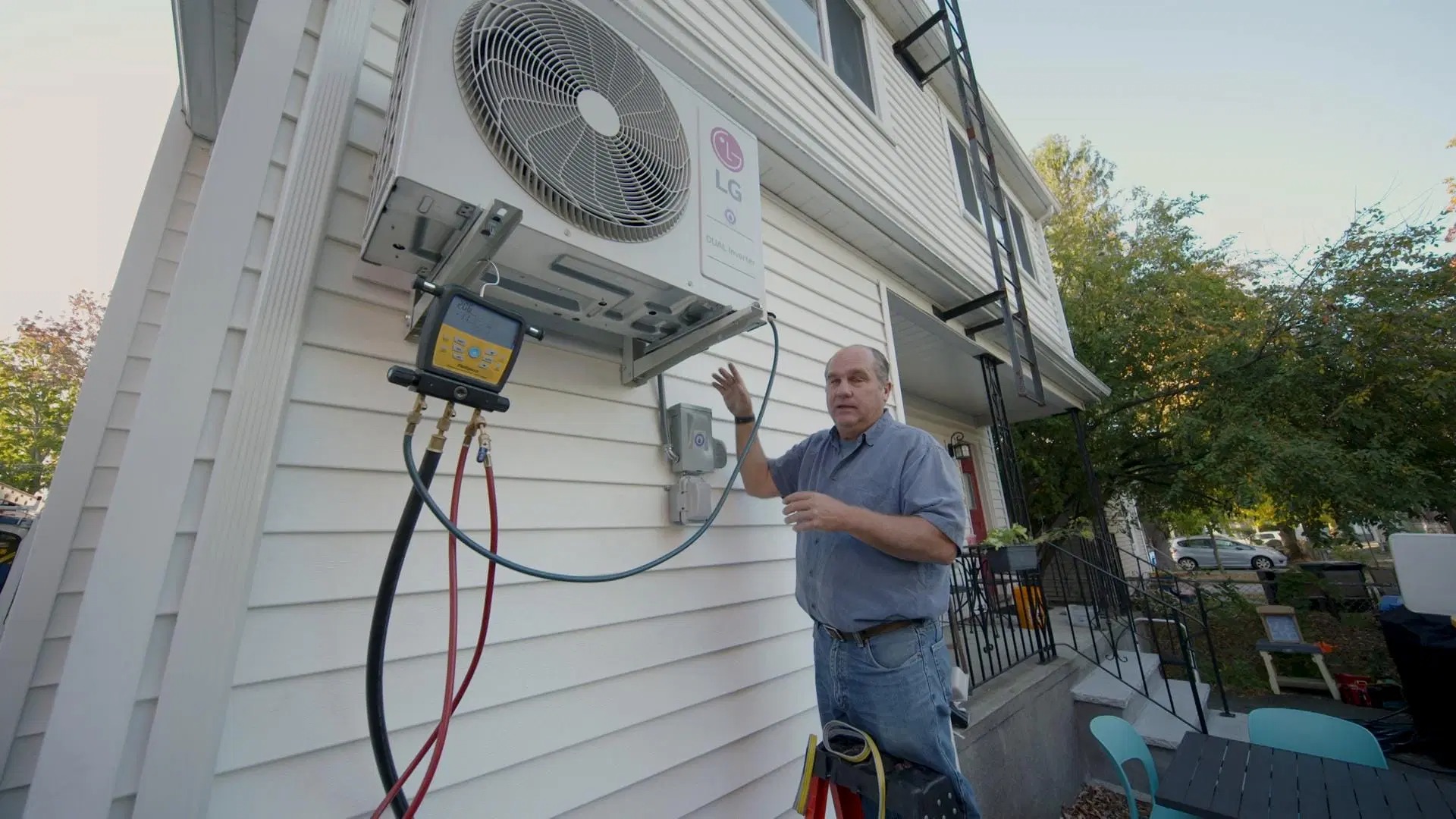
The outdoor condenser unit also requires attention since it accumulates leaves, dirt, and other debris over time which can restrict airflow and reduce cooling efficiency. Begin by clearing away any visible debris around or on top of the condenser fins using your hands or a soft brush without bending them out of shape. Then use a garden hose set at low pressure to rinse off remaining dirt from both sides of these fins thoroughly but gently; high-pressure water may damage delicate parts.
Check that no plants or objects block airflow around your outdoor unit by maintaining at least two feet of clearance on all sides; good ventilation improves heat exchange performance significantly.
Finally, examine drainage lines connected to your mini split system because clogged drains can cause water leaks inside your home leading to potential damage or mold issues over time. Clear any obstructions in drain pipes with compressed air or flexible brushes designed for HVAC systems ensuring smooth water flow away from units.
Performing regular cleaning every season will keep your mini split running efficiently throughout hot summers and cold winters alike while helping avoid costly repairs down the road due to neglect-related problems arising from accumulated grime within critical parts of this valuable appliance.